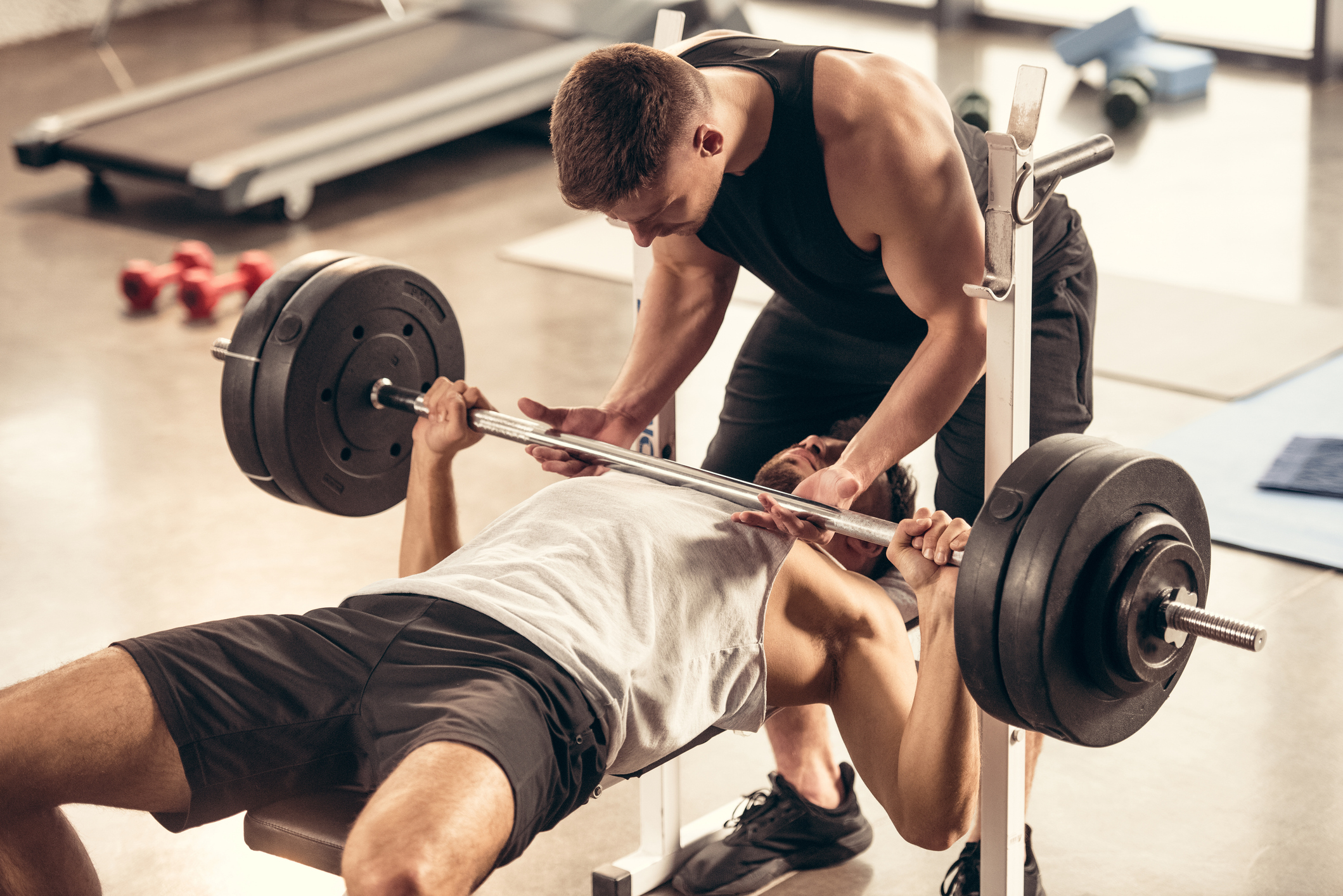
If you’re already proactive about your health, you probably know what you can deadlift or how fast you run a 5k. You might even track sleep scores or body-fat percentage. But there’s one essential area of male health that’s still largely ignored, and that’s the pelvic floor.
Many of us don’t think about it at all until something doesn’t feel right. Yet, these deep core muscles play a crucial role in bladder control, sexual function and stability. (Ref.1) When the pelvic floor muscles aren’t doing their job properly, uncomfortable symptoms can show up: leaking during workouts, changes to erections, lingering groin or back pain, or post-wee dribbling – signs your deep core could benefit from some targeted training.
Now for a quick anatomy recap. The pelvic floor is a group of muscles that forms a supportive sling between your pubic bone and tailbone. Problems can arise when the muscles are either too weak, too tight or coordinating poorly. The pelvic floor has many jobs, including:
· Supporting the bladder, bowel and prostate
· Coordinating urinary and bowel control
· Contributing to erectile function and ejaculation
· Working with the diaphragm, abdominals and back muscles to stabilise the spine (Ref.2)
If an area of the body becomes weakened, you can train with specific workouts. And the same goes for the pelvic floor muscles. Kegel exercises are pelvic floor exercises for men and women. They have been shown to improve strength, coordination and endurance – and for those who practise them correctly and consistently, improvements can occur within weeks, with more noticeable results over a few months. (Ref.3)
To perform Kegels, imagine gently lifting and closing the muscles you would use to stop the flow of urine or prevent passing gas. You can also identify your pelvic floor by engaging the muscles that draw the scrotum upward toward the body. (Ref.4)
But here’s the problem – performing Kegals correctly can be tricky. Research shows that over one third of people attempting them aren’t actually activating their pelvic floor muscles at all, instead compensating with their glutes, abdominals or inner thighs. (Ref.5)
Empelvic is an award-winning training tool transforming the way men exercise their pelvic floor muscles. The contoured cushion provides targeted tactile feedback, paired with easy-to-follow breathing guidance to help you perform effective Kegels with confidence.
Just five minutes a day can help activate the deep muscles that support erectile function, bladder control, and long-term pelvic health. Whether you prefer to train first thing in the morning or add it to your usual workout routine, Empelvic fits seamlessly into your day.
“Getting used to the Empelvic method, after a short period, I had my erection back” -Daniel
Pelvic health physiotherapists often see people with ongoing hip, groin, buttock or upper-leg pain that just isn’t improving with standard sports or musculoskeletal rehab. When that happens, the missing piece is often the pelvic floor.
When the pelvic floor isn’t working properly, the body can find other ways to compensate – putting extra strain on areas further up or down the chain, which can lead to pain or injury over time. (Ref.6)
If you’re experiencing any of these issues unexpectedly or after prostate procedure, speak to your GP or a pelvic health specialist to find the treatment that’s right for you.
· Leaking during running, lifting, or coughing
· Post-urination dribbling
· Pelvic, groin or testicular pain
· Changes in erection strength or sensation
· Persistent back, hip or groin tightness
· Constipation or straining when using the toilet (Ref.7)
The pelvic floor may be out of sight, but it shouldn’t be out of mind. Although pelvic floor exercises are essential after prostatectomy, they also deserve a permanent place in your health routine – right alongside strength, cardio and mobility.
By understanding how your pelvic floor works and how to train it effectively, you can support day‑to‑day function and quality of life for years to come.
Sources
1. Cleveland Clinic (n.d.) Pelvic floor muscles. Available at: https://my.clevelandclinic.org/health/body/22729-pelvic-floor-muscles (Accessed: 9 April 2026).
2. Cleveland Clinic (n.d.) Kegel exercises for men. Available at: https://my.clevelandclinic.org/health/treatments/22211-kegel-exercises-for-men (Accessed: 9 April 2026).
3. Harvard Health Publishing (n.d.) Step-by-step guide to performing Kegel exercises. Available at: https://www.health.harvard.edu/step-by-step-guide-to-performing-kegel-exercises (Accessed: 9 April 2026).
4. Mayo Clinic (n.d.) Kegel exercises for men. Available at: https://www.mayoclinic.org/healthy-lifestyle/mens-health/in-depth/kegel-exercises-for-men/art-20045074 (Accessed: 9 April 2026).
5. Nature Scientific Reports (2021) [Article title]. Scientific Reports, 11, Article number: 97230. Available at: https://www.nature.com/articles/s41598-021-97230-6 (Accessed: 9 April 2026).
6. Pelvic Pain Rehabilitation Center (n.d.) Male pelvic pain. Available at: https://pelvicpainrehab.com/blog/male-pelvic-pain/ (Accessed: 9 April 2026).
7. Six Physio (n.d.) Men and the pelvic floor. Available at: https://sixphysio.com/blog/hot-topics/men-pelvic-floor (Accessed: 9 April 2026).